AI Ettiquette
Cal Newport recently said that anthropomorphising AI is dangerous and we shouldn’t say please or thanks to machines. The following week, a reader gave an example of how in Star Trek, people never said please or thank you to the computer. Instead they gave straightforward instructions and they expected concise results. They would use “computer” as a warm up command, shifting mode and telling the computer to listen and act.
I agree that direct instruction is a good thing, both in terms of ensuring clear communication, but also in terms of context and token efficiency. However I don’t completely agree with the sentiment of not anthropomorphising AIs and being polite.
I’m not being polite for the sake of the AI, I’m preserving my own humanity by treating a chunk of silicon respectfully.
I’m all for voice as an interface, but the terse conversations that people point to in Star Trek are designed for a sonically complex public realm, not for a private office where all entities are known and identifiable. We haven’t figured out how to survive the cacophony of everyone’s office conversations blending into one big jumble yet. The computer in Star Trek understands when an individual is on deck, in a public space or in their private quarters. It will recognise the individual’s physical context and not blurt out, “By the way your special meds are ready.” during the middle of a rock sample analysis from an M-Class planet.
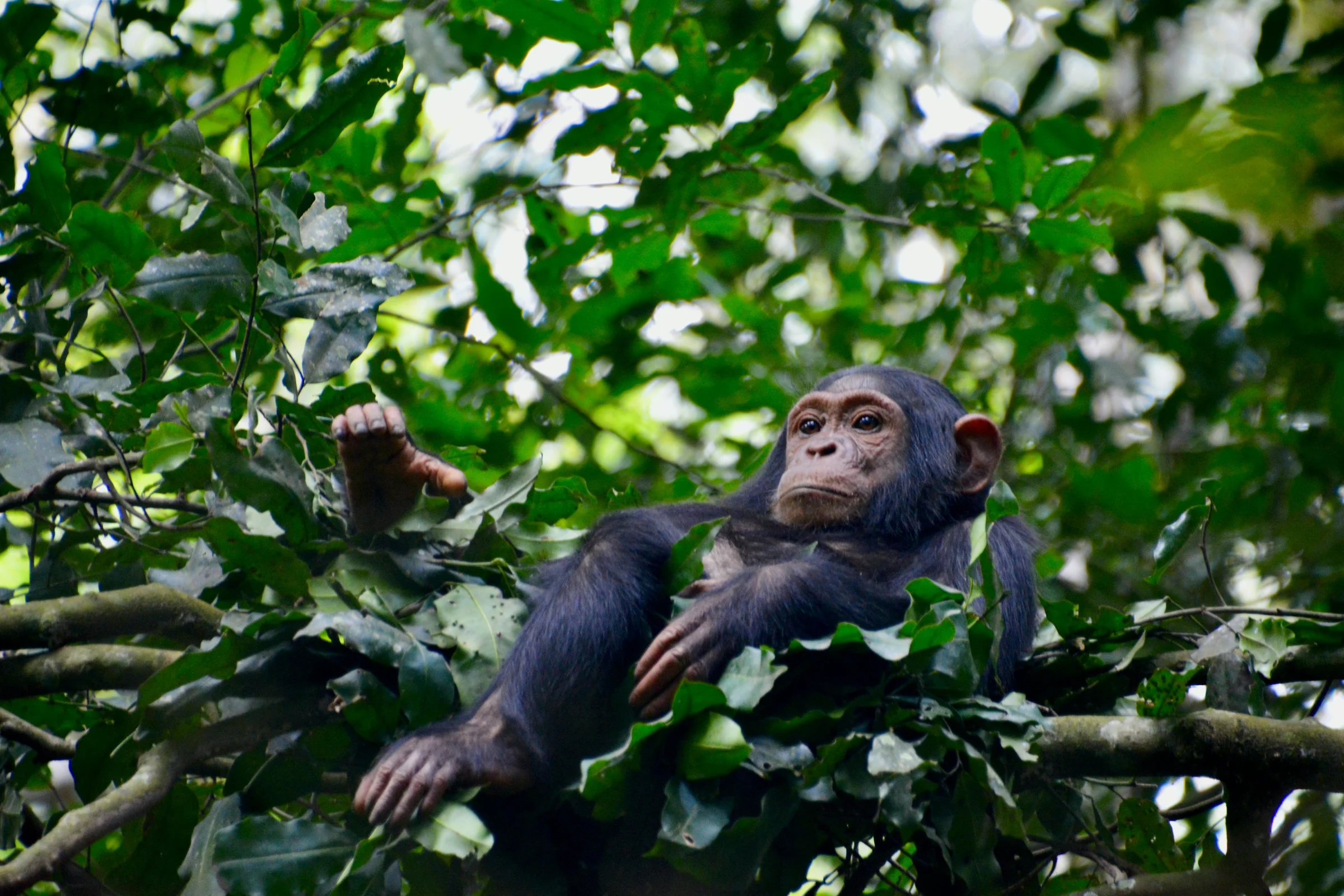
Using a more humane style of conversation with a machine may be mildly inefficient and maybe I am training myself to be subservient to a machine as per Cal’s thesis - I’m not -, but I worry that people growing up in this age, being able to ask for anything from a disembodied device, will come to treat people around them in the same way, or never grow out of it. It reminds me of Victorian experiments where people raised chipanzees with children in order for the chimpanzee to become more “civilised” by learning from the children around them. In fact the opposite happened. The children began to adopt the traits of chimpanzees. I worry that by treating a machine strictly like a machine, we become more like the machine and less human.
Photo by Fabiana Rizzi on Unsplash